Paddle Safe.
Know Your
Gear.

Practical guides to selecting and using safety equipment for kayakers and canoeists on Canadian waters — from inland lakes to coastal passages.

Read the PFD Guide
Sea kayak on calm water

Safety Reference Articles

Three focused guides covering the equipment most paddlers need before heading out on the water.

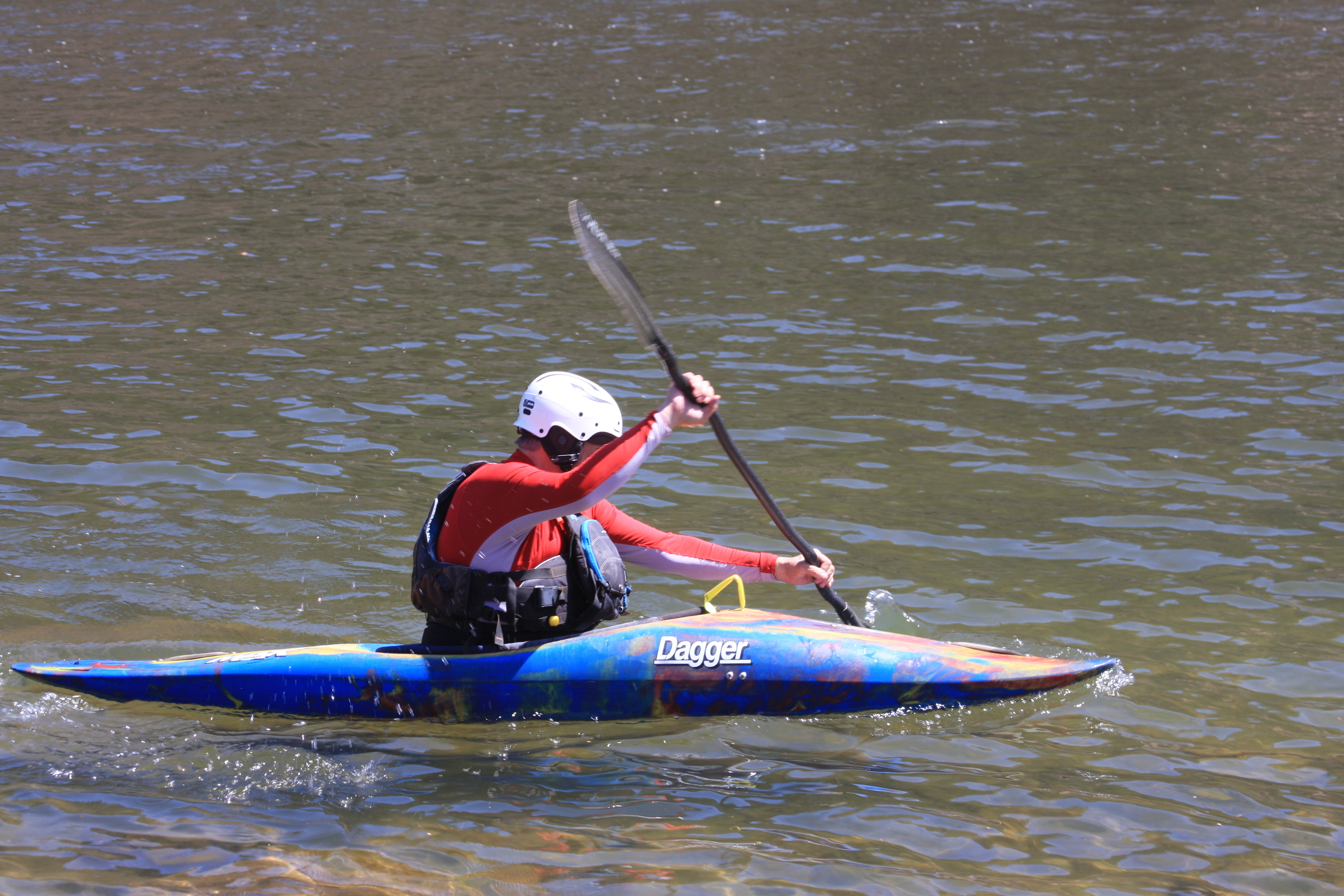
Kayaker wearing a PFD during safety training
Personal Flotation

Choosing a PFD: Fit, Buoyancy, and Paddle Sport Ratings

An overview of Canadian PFD classifications, how to match buoyancy to water conditions, and what fit adjustments matter most for paddlers.

Read article →
Canoe loaded with gear on a wilderness river
Gear Storage

Dry Bags and Waterproof Storage for Multi-Day Paddling Trips

How to choose dry bags by volume, closure type, and material, and how to pack a canoe or kayak for a multi-day backcountry route.

Read article →
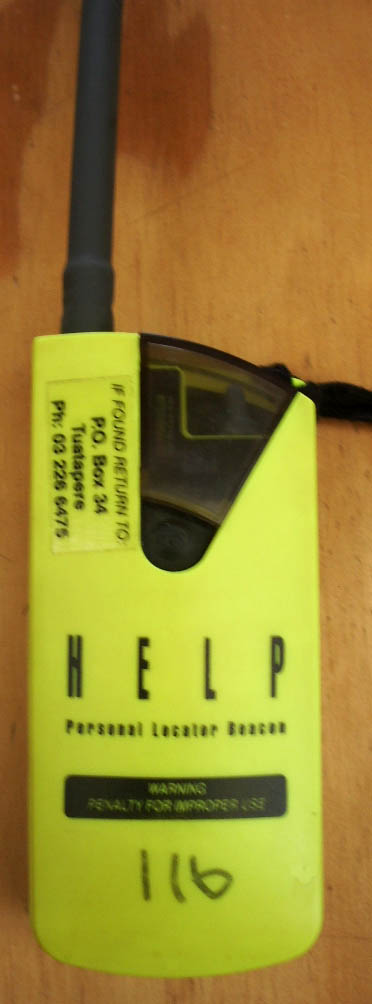
Emergency Position Indicating Radio Beacon for outdoor use
Communications

Emergency Communication Devices for Remote Canoe and Kayak Routes

A comparison of PLBs, satellite messengers, VHF marine radios, and signal mirrors for paddlers travelling in areas without cellular coverage.

Read article →

Equipment Categories

Key gear areas covered across the reference guides on this site.

🛟

Personal Flotation Devices

Canadian classifications (Types 1–4), buoyancy ratings, chest sizing, and Transport Canada approval requirements for recreational paddlers.

🎒

Dry Bags & Waterproof Cases

Roll-top vs. zipper closures, litre volumes for multi-day trips, and how to organize essential documents and electronics inside waterproof containers.

📡

Emergency Communication

PLBs, satellite communicators, VHF marine radios, and when each type is appropriate for Canadian inland waterways versus coastal routes.

🚣

Paddles

Shaft materials, blade shapes, and feather angles for sea kayaking, whitewater, and recreational lake paddling in variable Canadian weather.

Canoe route in the Boundary Waters Wilderness
Featured

Planning Gear for a Multi-Day Wilderness Canoe Route

When heading into a remote watershed for several days, the difference between a manageable portage and an exhausting one often comes down to how gear is selected and packed. Dry bag volume, PFD fit under a loaded pack, and reliable communication all interact in ways that short-distance paddlers rarely consider.

Read the dry bags guide